Imaging a New Resource War
Photos from Venezuela and the Longue Durée of American Oil Colonialism

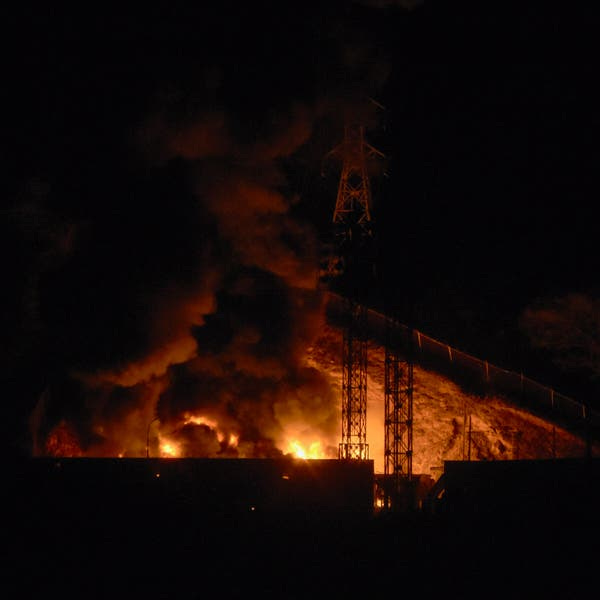
When I decided to try blogging again, I couldn’t/didn’t/wouldn’t imagine that this would be the subject of one of my earliest posts. But after dismantling investments in renewable energy, our president has plainly violated the sovereignty of a foreign nation in a thinly veiled ploy to seize control of Venezuela’s vast oil reserves.
(I’m a bit behind here since Greenland is the colonial target du jour. Perhaps I’ll have more to say about that another time.)
I recognize that the illegitimacy and brutality of Nicolas Maduro’s regime means people have complicated feelings. I get it, but it’s also kind of simple. As the old adage goes, “two wrongs don’t make a right.” Nicolas Maduro is not a good guy, neither is Donald Trump, and it is the Venezuelan people who will suffer as, under Trump’s plan, wealth flows out of their country and into the coffers of American oil companies.
We have read this story before.
In 1908, fueled by the negligence of the U.S.-owned Pan American Petroleum & Transport Company, 420 million gallons of oil were spilled in Veracruz state, Mexico. Of other spills in Mexico, the company CEO Edward Doheny said,
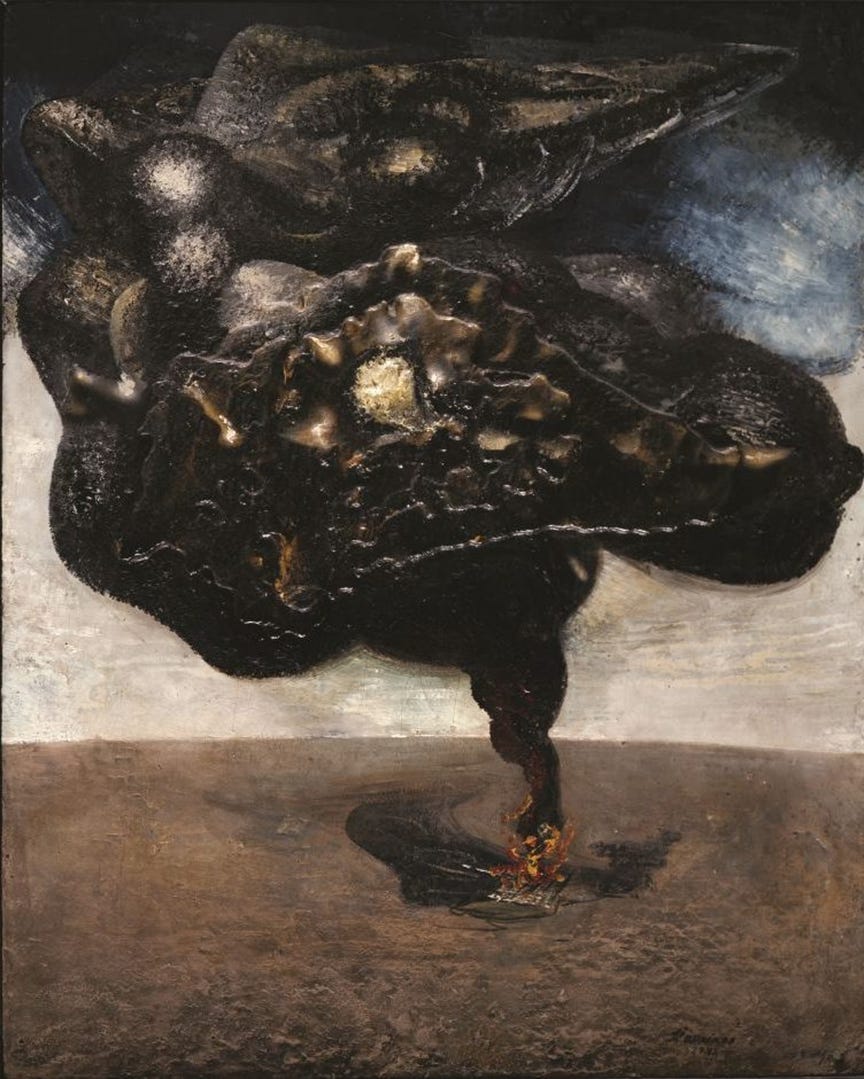
Every leaf, every flower, every blade of grass now vivid with greens and bright colors...was converted as if by magic into the fantastic dream of some futuristic painter, all a glistening black as if fashioned of highly burnished metal.
This disaster, referred to as Dos Bocas for the two mouthlike craters left in the ground by the initial explosions, remains the second largest oil spill recorded in world history (the ongoing spills in the Niger Delta exceed it). The famous Mexican muralist, David Alfaro, Siqueiros painted a series of paintings (including the one pictured below) throughout the 1930s and 1940s that likely reference Dos Bocas.
Dos Bocas was a galvanizing moment for Mexican oil workers and led to an extended period of worker strikes. In response, oil interests rapidly shifted hands well into the 1930s. Standard Oil acquired the foreign interests of the Pan American Petroleum & Transport Company in 1932, including those in Veracruz.
A particularly protracted period of collective bargaining between oil companies and the oil workers union, the Syndicate of Oil Workers of the Mexican Republic, from 1936–38 came to a head in the Mexican Supreme Court where the Court ruled in favor of the workers.
The country was faced with an oil industry that would be totally stalled when oil companies refused to comply with the court’s order. U.S. companies contended they were not subject to foreign laws. That is, the companies’ position was that because they were not Mexican companies, they did not have to follow Mexican laws, despite the fact they were operating in Mexico. (In response, the president of Mexico, Lazaro Cardenas, expropriated foreign interests and nationalized the oil companies under the banner of Petroleos Mexicanos.)
My point here is that when Trump says he is constrained only by his “own morality,” it links him to a long tradition of U.S. oil colonialism. And that tradition extends even further back than Dos Bocas into geographies both foreign and domestic.
Environmental disasters, including the human lives they claimed, were considered an unavoidable consequence of advancing the early oil industry. (The modern discovery of oil in the United States occurred in Pennsylvania in 1859.)
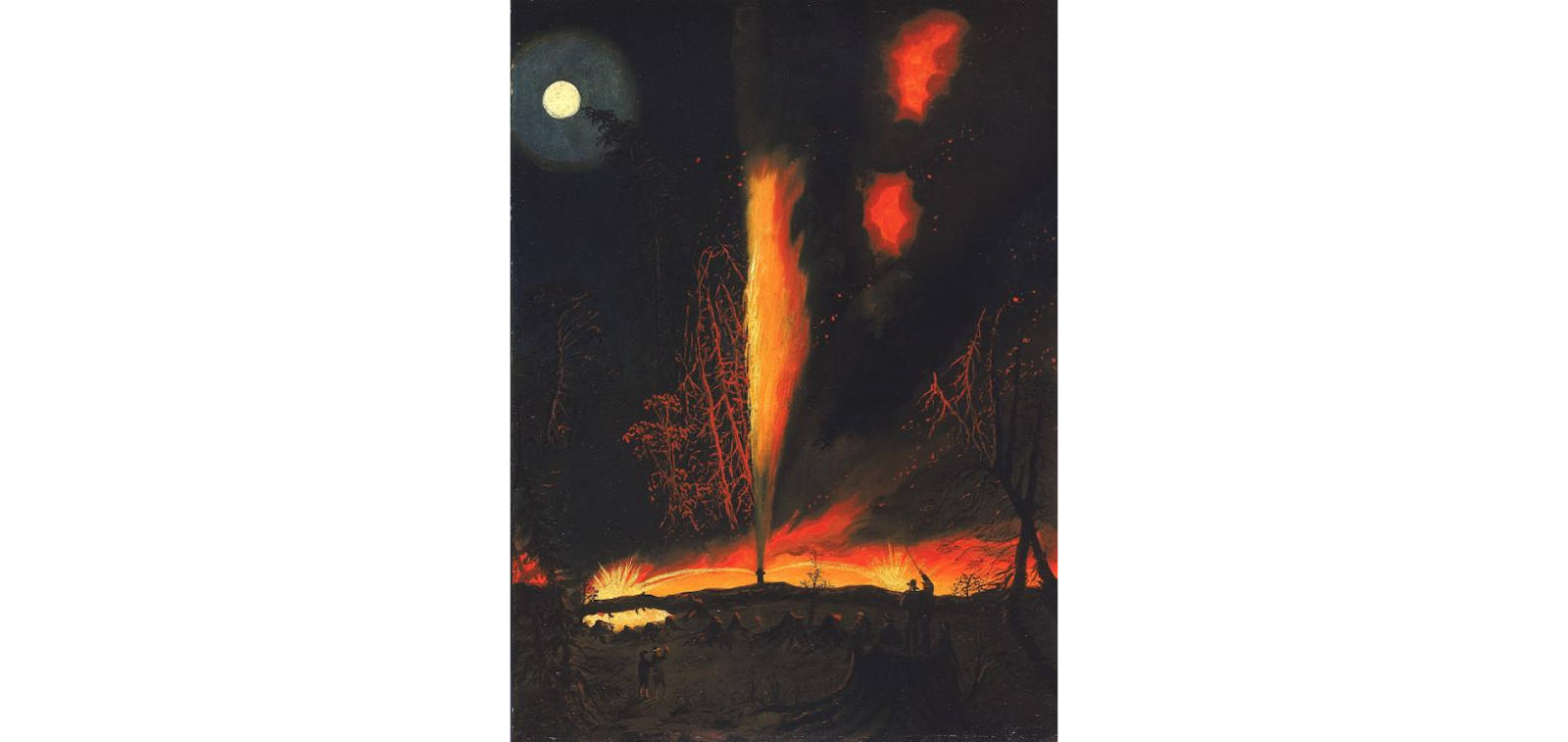
As incredible—even beautiful, sublime—as images of these disasters often are, they tend to kind of literally paint over the broader impacts. While figures vary, somewhere around 100 people died as a result of the attacks Trump ordered in Venezuela.
Is that not immoral?
Leaving aside for the moment the compounding threats of fossil fuel-caused climate change, are we really so little evolved since the nineteenth century that we are willing to accept death in exchange for cheap oil?
The art in this article is so interesting! As an environmental historian I’ve always found paintings of industry really fascinating, especially oil. Even though we’re supposedly in a “green transition” it’s sad and infuriating how obsessed people and governments still are with oil, as you point out.